Power When You Need It Most
Losing power is an inconvenience. Losing it during a wildfire evacuation warning, a winter storm, or a workday where you’re on back-to-back calls — that’s something else entirely.
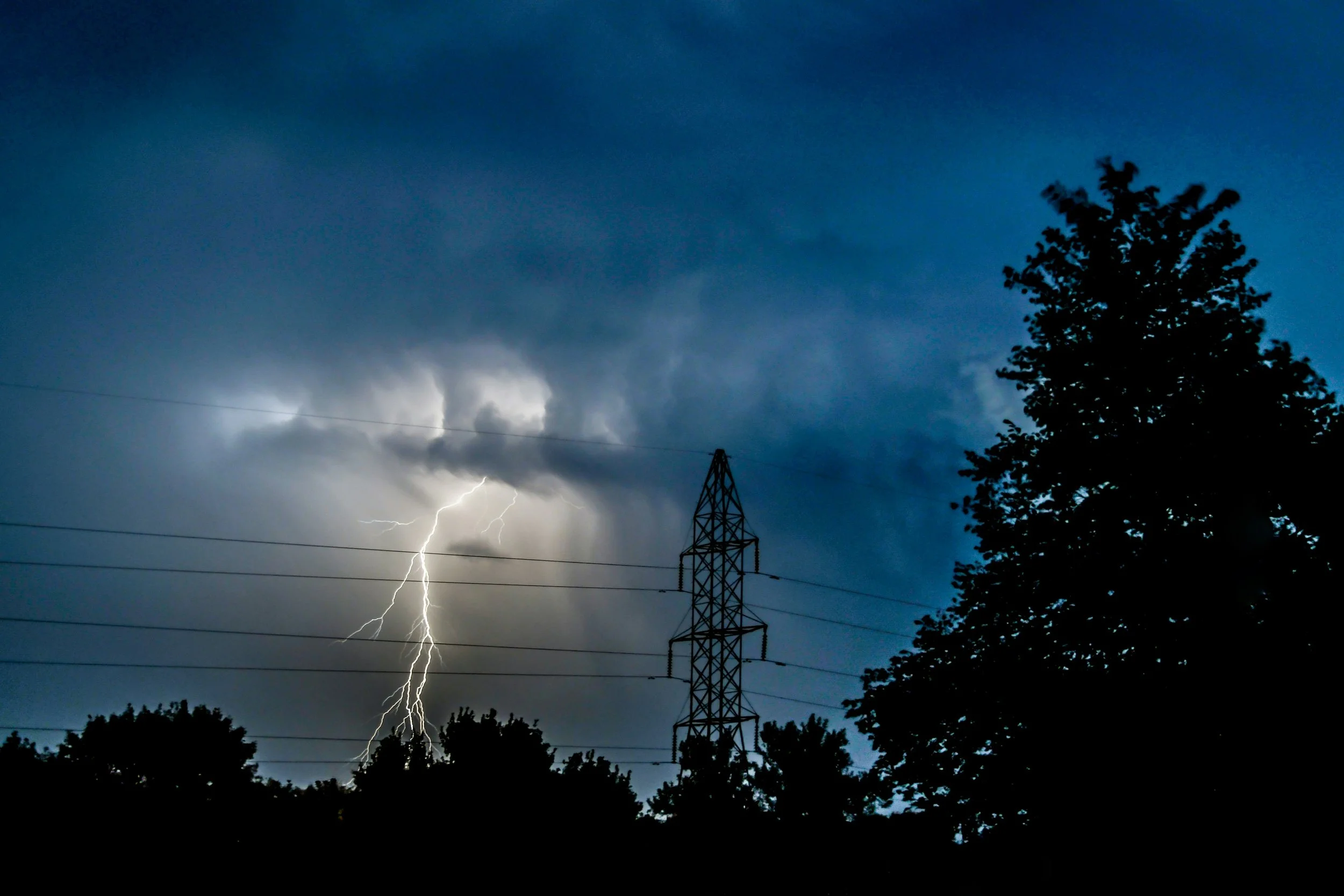
Public Safety Power Shutoffs (PSPS), Xcel Energy’s Enhanced Power Safety Settings (EPSS), and severe storms are increasingly common on Colorado’s Front Range. Haven helps you choose the right backup power system for your home and coordinates professional installation from start to finish.
This Isn’t Just About Wind
PSPS / EPSS: Utilities may proactively shut off power (PSPS) or operate under Enhanced Power Safety Settings (EPSS — Xcel’s program of hypersensitive fault detection and reduced voltage) during high fire danger conditions. Either way, your home loses power — sometimes with limited notice.
Severe Storms: Front Range spring and winter storms regularly produce multi-day outages affecting tens of thousands of homes.
Grid Stress: Summer heat events increasingly strain the regional grid — demand is expected to keep growing.
Wildfire Infrastructure Damage: Fires can damage transmission lines, causing outages far from the burn area lasting days or weeks.
Backup Power Options
-
Pros —
Starts automatically within seconds of an outage — no action required
Powers the whole home or critical systems seamlessly
Runs on natural gas or propane — no fuel runs during an outage
Built for extended, multi-day events
Cons —
Higher upfront cost — typically $20,000+ installed
Requires annual maintenance and utility coordination
Audible during operation
Brief transfer delay of several seconds before power is restored
Best For: Homeowners who want hands-free whole-home coverage without complexity.
-
Pros —
Silent, clean operation — no exhaust, no fuel
Integrates with grid-tied solar for extended off-grid capability
Low maintenance; smart monitoring via app or home system
Seamless failover — most systems transfer in under 20 milliseconds
Cons —
Capacity limits: home size and loads determine how long you can run
Higher cost for larger banks — $8,000–$20,000+ depending on capacity
Colorado winters significantly reduce solar panel output — snow coverage and low sun angles limit battery recharge from solar November through February
Best For: Homeowners with solar (or planning to add it) who want clean, quiet backup for essential loads.
-
The hybrid system combines a large battery bank with a standby generator — the best of both. The battery acts as a whole-home UPS: when the grid drops, the transition is instantaneous and invisible. Your WFH call keeps going. The clocks don’t reset. Medical equipment doesn’t blink.
The generator exists as a smart fallback — it fires automatically to recharge the battery when reserves get low, then shuts off when the battery is full. It runs far less than in a generator-only system, and can be scheduled to run during off-peak hours. This is island mode: your home operates independently of the grid for as long as needed.
Pros —
Zero-interruption failover — battery bridges the gap instantly, no transfer delay
WFH continuity: no dropped calls, no lost VPN sessions, no equipment restarts
Generator only runs when needed — quieter, less fuel, less wear
Time-of-Use (TOU) arbitrage: charge at off-peak grid rates, discharge during peak pricing — your system earns its keep on normal days
Solar-ready: grid-tied solar charges the battery when conditions allow
True island mode capability: your home runs independently during extended grid outages
Cons —
Highest upfront cost — $45,000+ depending on battery size and generator
Most complex installation: requires coordination between battery system, generator, solar inverter, and utility interconnection
Colorado solar reality: winter months limit solar recharge significantly — the hybrid is designed for this, with the generator covering what solar can’t, but don’t expect solar alone to carry you through winter outages
Panel upgrades may be required
Best For: Work-from-home households, anyone with medical equipment, or homeowners who want complete, no-compromise continuity — and want their system working for them every day through TOU savings.
How Haven Guides the Process
Assess your home’s power needs, critical loads, and outage risk profile
Recommend the right system — or combination — for your situation and budget
Evaluate your utility’s rate options and solar compatibility
Coordinate installation with licensed, vetted local contractors
Guide you through permitting, utility interconnection, and system commissioning
Verify the system is tested, functional, and ready before we close the project
Let’s Find the Right Fit for Your Home
A backup power assessment takes about an hour. You’ll leave with a clear recommendation, a realistic cost range, and no pressure to move forward before you’re ready.